The rice milling business is among the rapidly growing businesses in both agriculture and food processing industries. If you are considering setting up a rice mill machinery or improving the one you already have, choosing the appropriate rice mill machines is one of the critical steps that you will have to take. The performance and longevity of your machines have a lot of effects on the output.
Given the availability of many rice milling machines in the market, selecting the most appropriate machinery can be difficult. Knowing your needs, budget, and goals for the business can assist you in making wise decisions.
This article will cover the important considerations that you need to make before investing in rice mill machinery.
Why Choosing the Right Rice Mill Machinery Matters
Rice milling involves several processing stages, including cleaning, dehusking, separating, whitening, polishing, grading, and packaging. Each stage requires specialized machinery to ensure high-quality rice production with minimum grain breakage.
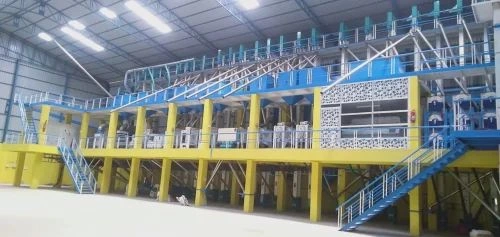
Investing in premium-quality rice mill machinery offers several benefits:
- Higher rice recovery percentage
- Improved grain quality
- Reduced broken rice
- Lower maintenance costs
- Increased production efficiency
- Better energy savings
- Consistent product quality
- Higher customer satisfaction
Selecting reliable rice mill machinery also reduces unexpected downtime and improves the overall productivity of your rice mill.
Also Read: What is Rice Color Sorting Machine and How to Use It?
Understand Your Production Capacity
Before selecting rice mill machinery, determine how much rice you plan to process daily.
Ask yourself:
- How many tons of paddy will be processed each day?
- Will production increase in the future?
- Do you need continuous or batch processing?
For example:
- Small Rice Mill: 1–2 TPH
- Medium Rice Mill: 3–6 TPH
- Large Commercial Rice Mill: 8–20+ TPH
Choosing machinery with the appropriate capacity prevents unnecessary energy consumption while ensuring maximum efficiency.
Identify the Type of Rice You Process
Different rice varieties require different processing techniques.
Consider factors such as:
- Basmati Rice
- Non-Basmati Rice
- Raw Rice
- Parboiled Rice
- Brown Rice
- Fortified Rice
Certain machines are specifically designed for delicate grains that require gentle handling to reduce breakage and maintain quality.
Evaluate Machine Quality and Build
A rice mill machine is a long-term investment, so quality should never be compromised.
Look for machines manufactured using:
- Heavy-duty steel construction
- Corrosion-resistant materials
- Precision-engineered components
- Durable bearings
- High-quality motors
- Robust frames
Well-built machines offer longer service life and lower maintenance expenses.
Check Energy Efficiency
Electricity is one of the largest operational costs in a rice mill.
Modern energy-efficient machines help reduce power consumption without affecting production.
Benefits include:
- Lower electricity bills
- Reduced operating costs
- Environment-friendly operation
- Higher productivity
Energy-efficient machinery also contributes to sustainable manufacturing practices.
Focus on Rice Recovery Rate
The primary objective of every rice mill is maximizing rice recovery while minimizing broken grains.
High-quality rice mill machinery delivers:
- Better milling efficiency
- Lower grain breakage
- Improved head rice recovery
- Uniform polishing
- Premium rice appearance
Even a small improvement in recovery percentage can significantly increase annual profits.
Consider Automation Features
Automation has transformed the rice milling industry.
Modern automated rice mills offer:
- PLC Control Systems
- Touch Screen Operation
- Automatic Feeding
- Real-Time Monitoring
- Automatic Fault Detection
- Reduced Manual Labour
Automation improves operational accuracy while reducing dependency on skilled manpower.
Choose a Complete Rice Mill Solution
Instead of purchasing individual machines from different suppliers, it is often better to choose a complete rice milling solution.
A complete plant typically includes:
- Paddy Cleaner
- Vibro Destoner
- Rubber Roll Sheller
- Paddy Separator
- Rice Whitener
- Rice Polisher
- Length Grader
- Color Sorter
- Bucket Elevators
- Conveyors
- Packaging System
Integrated systems improve workflow and reduce installation challenges.
Check Maintenance Requirements
Easy maintenance is another important factor.
Look for machinery that offers:
- Easily replaceable spare parts
- Accessible machine design
- Low maintenance requirements
- Reliable after-sales support
- Quick servicing
Regular maintenance helps increase machine life while preventing costly production interruptions.
Verify Manufacturer Experience
Always purchase machinery from an experienced manufacturer with a proven industry reputation.
A reliable manufacturer provides:
- High-quality equipment
- Professional installation
- Technical guidance
- Spare parts availability
- Prompt customer support
- Training for operators
Experienced manufacturers also understand industry standards and customer requirements better.
Consider Future Expansion
Your business may grow over time.
Choose machinery that allows future expansion without replacing the complete production line.
Scalable systems make it easier to:
- Increase production capacity
- Add new machines
- Upgrade automation
- Improve efficiency
Planning for future growth saves both time and investment.
Compare Total Cost Instead of Initial Price
Many buyers focus only on the purchase price, which can be a costly mistake.
Instead, evaluate:
- Installation cost
- Energy consumption
- Maintenance expenses
- Spare part costs
- Machine lifespan
- Production efficiency
- Annual operating cost
Sometimes a premium-quality machine provides significantly better returns over its lifetime.
Importance of After-Sales Service
Even the best machinery requires periodic servicing.
Choose a supplier offering:
- Installation support
- Technical assistance
- Spare parts inventory
- Preventive maintenance
- Remote troubleshooting
- Fast service response
Strong after-sales support ensures uninterrupted production.
Questions to Ask Before Buying Rice Mill Machinery
Before making your investment, ask the manufacturer:
- What is the machine capacity?
- What is the expected rice recovery rate?
- How much electricity does it consume?
- Are spare parts readily available?
- What warranty is provided?
- Is operator training included?
- Can the plant be expanded later?
- What after-sales services are available?
These questions help you make an informed purchasing decision.
Why Businesses Choose Modern Rice Mill Machinery
Today’s rice processing industry demands speed, precision, and efficiency. Modern machinery delivers:
- Faster processing
- Better rice quality
- Lower production costs
- Reduced labour dependency
- Higher productivity
- Improved profitability
- Long-term operational reliability
Investing in advanced equipment enables rice mill owners to remain competitive in an evolving market.
Conclusion
Choosing the best rice mill machinery for your business is more than simply buying equipment—it’s about investing in productivity, quality, and long-term success. From evaluating production capacity and automation features to considering energy efficiency, maintenance, and manufacturer support, every factor plays a vital role in maximizing your return on investment.
At Machto Manufacturer Private Limited, we provide advanced rice mill machinery designed for durability, precision, and high-performance milling. Whether you’re starting a new rice mill or expanding an existing operation, choosing the right machinery today will help you achieve greater efficiency, superior rice quality, and sustainable business growth for years to come.